One early December Saturday in Los Angeles I found myself with a free day to spend however I chose. After years of living hundreds of miles away in Tucson Arizona, I thought a day visiting some of the classic urban rockhounding spots would be a good way to spend the day. I intended on simply enjoying my time and gathering some minerals that I could give away during my live sale on the Gemolicious facebook group the following day. In addition, I had just seen a post by a friend, Monica Kitt, on facebook, showing the opening of a new mineral hall exhibit at the Los Angeles Natural History Museum (LANHM) and her book signing. I had not found the chance to go to the LANHM in a few years and now the thought of documenting the gem hall made the trip that much more worthwhile.
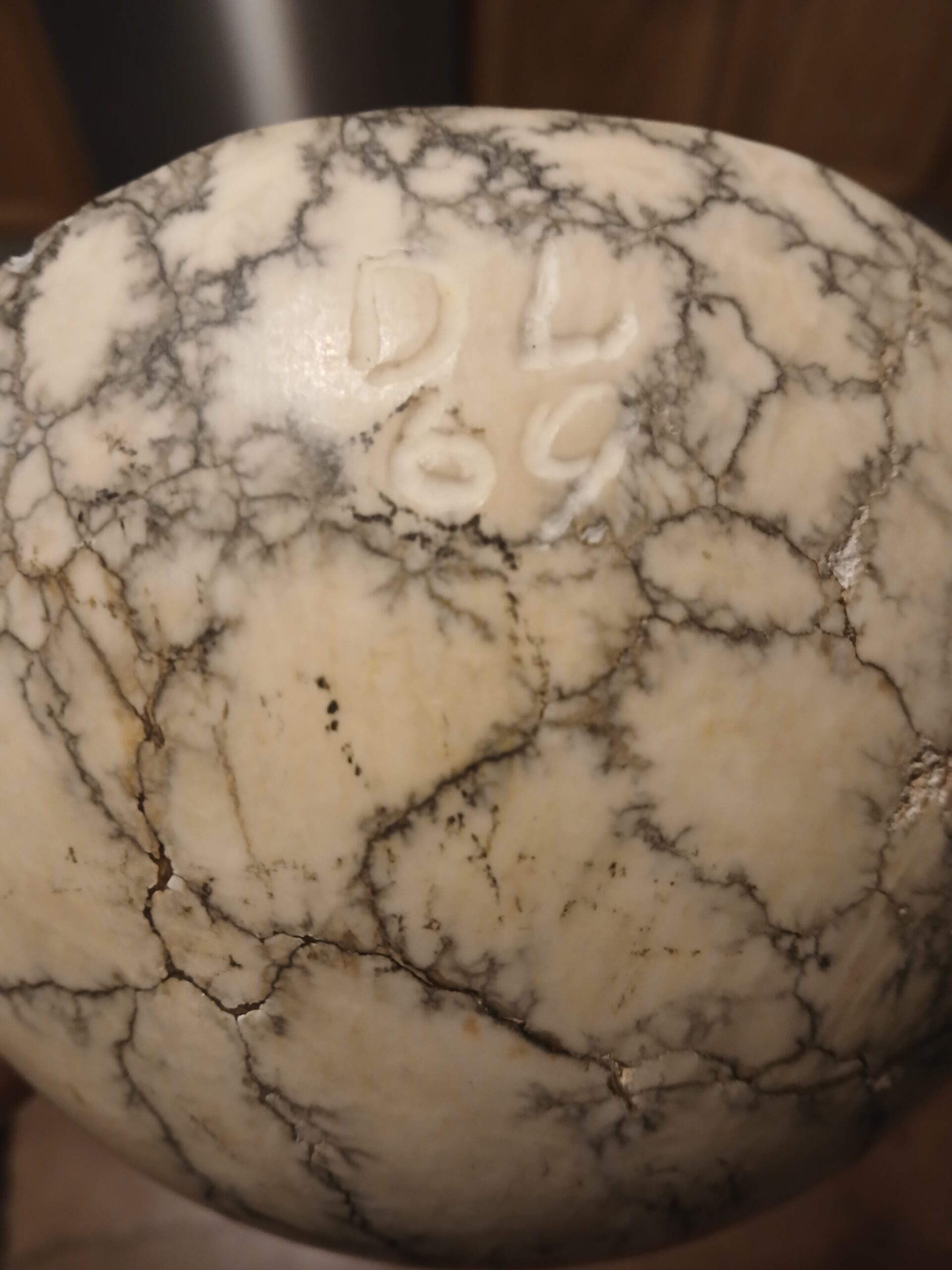
I started out my day by driving from Huntington Beach to Aqua Dulce at 5am, which made the traffic on the 405 completely acceptable and breezy. It is a rare occurrence to buzz by the Getty, instead of crawl past the Getty. It had been at least a decade since I had visited the Howlite location at Tick Canyon, so it was due for a visit. In years past, the Borax mine at Tick Canyon has been the location for collecting this very uncommon lapidary mineral, Howlite. Howlite is a byproduct of mining Colemanite, worthless to the miners in the early 1900’s. The nodules of this bright white mineral with attractive black webbing have been a main stay on the lapidary scene of Southern California and beyond for almost a century. In the 1950’s-1980’s it was collected for slabbing, cabbing and, memorably, the way it would accept dye to resemble Turquoise. It was everywhere, as spheres, clock faces, towers, zuni bear carvings, serving as both a fine paintable surface for artists and in more than one occasion, used as a backsplash lining for a kitchen! The material was so common, it was featured in some of the metaphysical books and publishing in the 1970’s-1980’s. Then the 1990’s came and a fence was put up in the front of the canyon leading to the deposit. While an almost endless supply of this legendary lapidary stone is abundant on the mine dumps, now collecting was restricted to the mine tailings on the other side of the canyon. The bits and pieces found there were not suitable for most classic lapidary needs, but it was still fun to pick up a few dozen pieces to show off. Because it was so popular as a lapidary stone with such a distinct appearance, the demand was made for it while the supply became limited. The stone, Magnesite, from Botswana, looks very similar and is found in solid blocks of material that span meters, with one small distinction. Magnesite does not have inclusions of Colemanite, a mineral that glows bright yellowish under UV light. The black webbing does not get as dark as the top 50% of Howlite and metaphysically speaking, it is a totally different mineral. That does not stop Magnesite as being LABELED as Howlite at shows, online and anywhere rocks are sold. One could estimate that the amount of Howlite sold as Howlite is less than 1% of all labeled material sold as such. Real howlite is found in old collections exclusively, only being currently worked as a hobbyist material from old stock. Unfortunately, it looks like scraps will be harder to come by as the location is now under surveillance, unlikely for howlite collecting but rather for the illegal dumping that had been occurring there. I’m sure that having to remove appliances and debris from the area was a burden, but now land that was not posted or protected is now all metaphorically and legally locked down. None of the piles were accessible and my second favorite area accessed from the south of the mine dumps via a dry wash is now also blocked and under camera surveillance. Below are the videos from top and bottom of the dump areas, and be advised, it is now pointless to visit this location, as access is forbidden. A sad thing for urban collecting in Southern California!
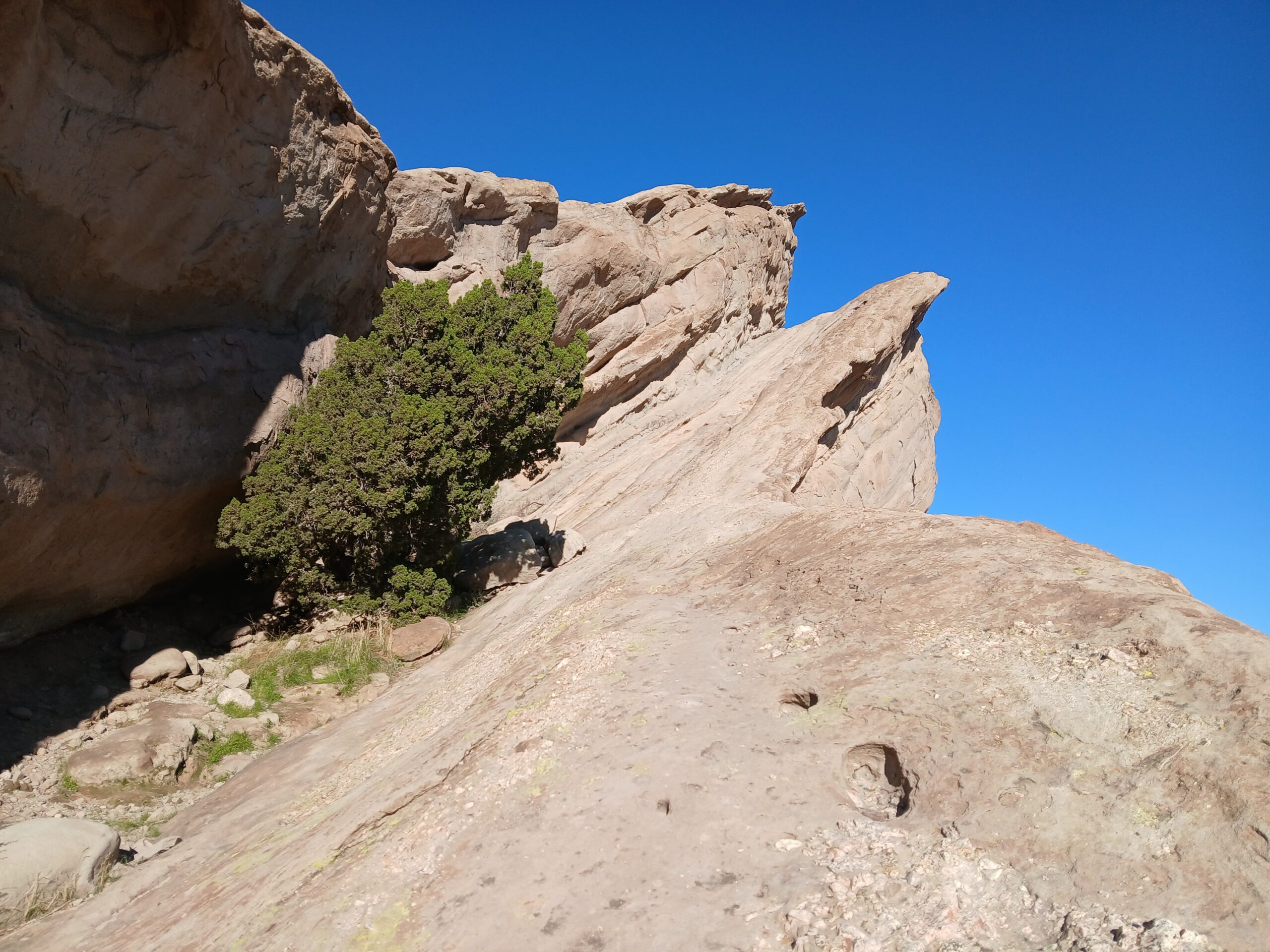
A fun combination was to visit Tick Canyon and collect some Howlite chunks and then go visit Vaquez Rocks, a famous filming location and very visible geological landmark for anyone driving on highway 14 in North Los Angeles County. The dramatic uplifts of conglomerate create this alien landscape that has been featured in several sci fi movies and shows, like Star Trek, music videos, like Tenacious D and car commericals. Many years my wife and I would go on this field trip every thanksgiving and it was a bittersweet time visiting alone after seeing the howlite location closed. With this thought, I pondered that one urban location might be at risk, so I headed down south, to the pennisula of Ranch Palos Verdes, just outside of San Pedro.
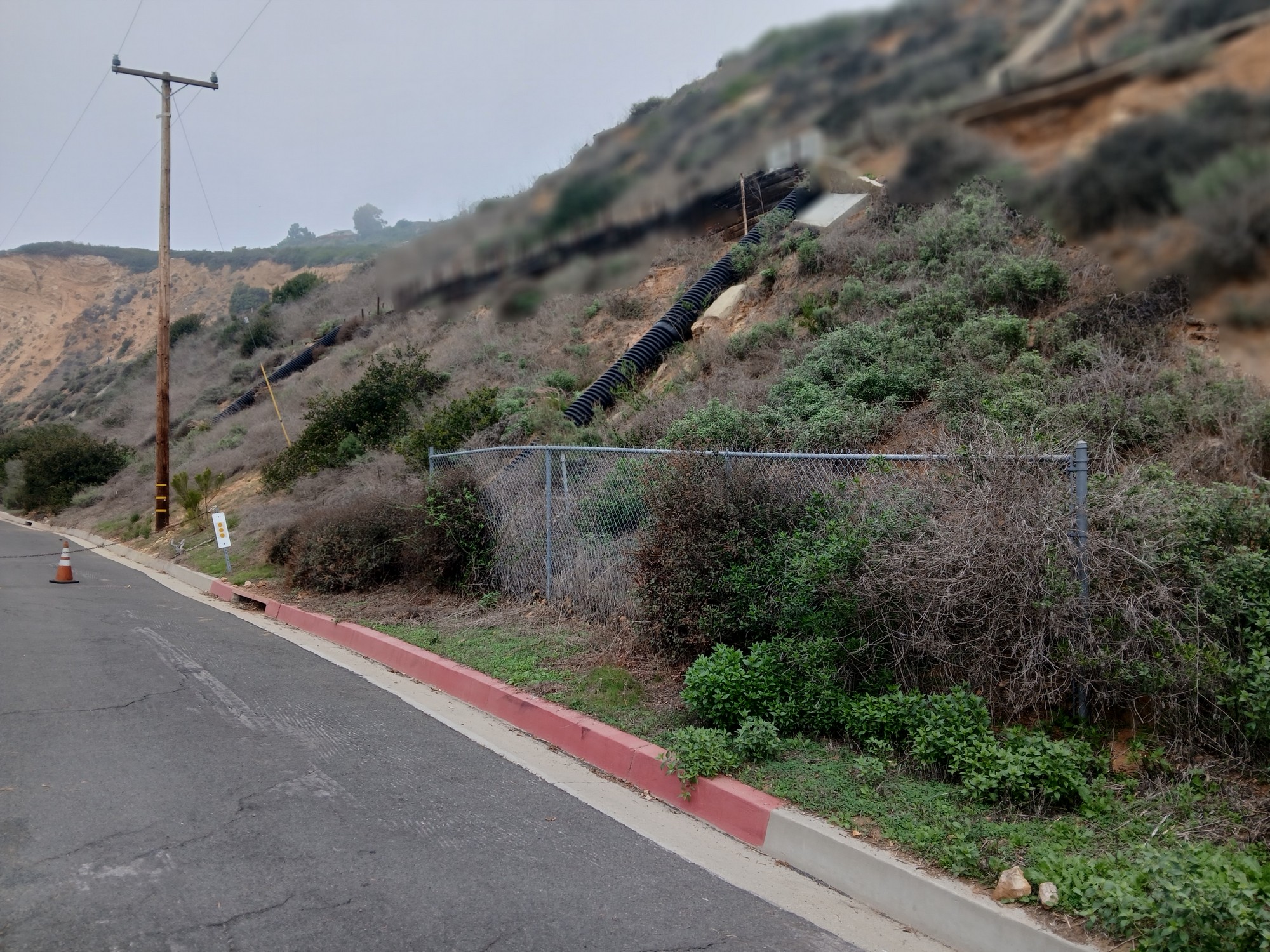
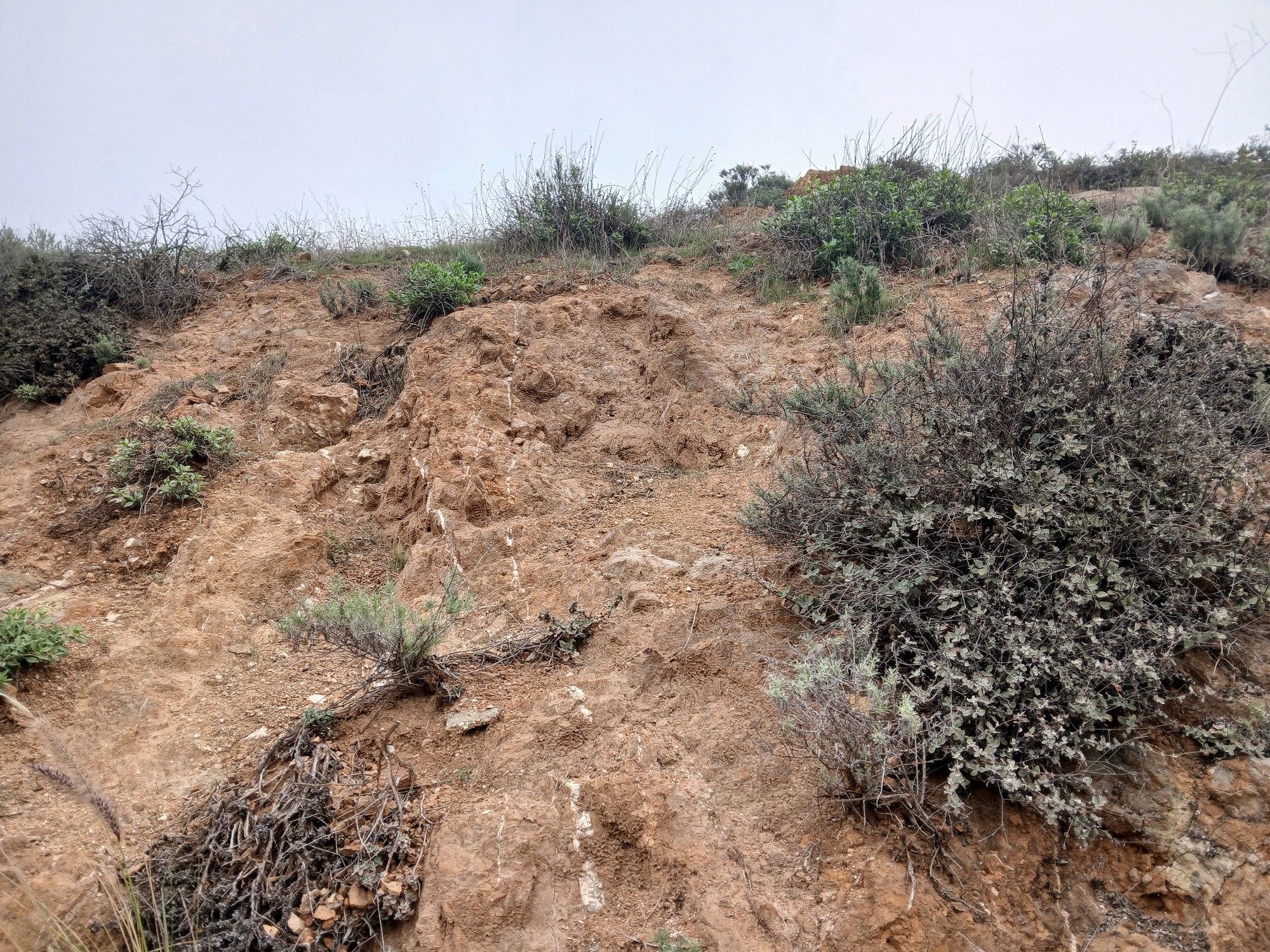
After an hour drive down to San Pedro I made my way to the Livingstone Quarry, a source of bold Dolomite plates, along with small quartz crystals, infrequent barite and so forth. I remembered the times my friends and I collected fossil clams in the cliffs of people’s yards that pressed up against the sidewalks. 25th Avenue leads you to Rancho Palos Verdes Drive, which follows the costal cliffs of the peninsula. Just East of the lighthouse and the classic Barite collecting area, Forrestal Drive takes you North into a neighborhood that leads to a well maintained park made from the skeleton of Livingstone Quarry. Soccer fields, hiking trails and the best news for rockhounds, publicly permitted, nay, encouraged, as it is in the bylaws of the park. I arrived and found a beautiful example of Dolomite almost immediately. The dolomite forms in veins that run vertically up the walls of the quarry to the north, above the paved road. Surprisingly, the road was blocked multiple yards from the collecting area, giving you a chance to enjoy a bit of a warm up stretch before reaching the minerals. I did observe that many of the classic locations for collecting were entirely overgrown, even the rudimentary dirt paths that dipped in an out of the boulders lined with pockets of quartz were impassable. I hiked the trails and noticed that while the bylaws permit and encourage rockhounding as part of the park uses, the foliage was bound to overtake the area if not used. I found the same thing at a few locations around southern California, almost as if people are not taking advantage of these public spaces, contrary to anyone who thinks these places have been over collected, I’m seeing plenty of underusage. Here are some photos and videos from the location below.
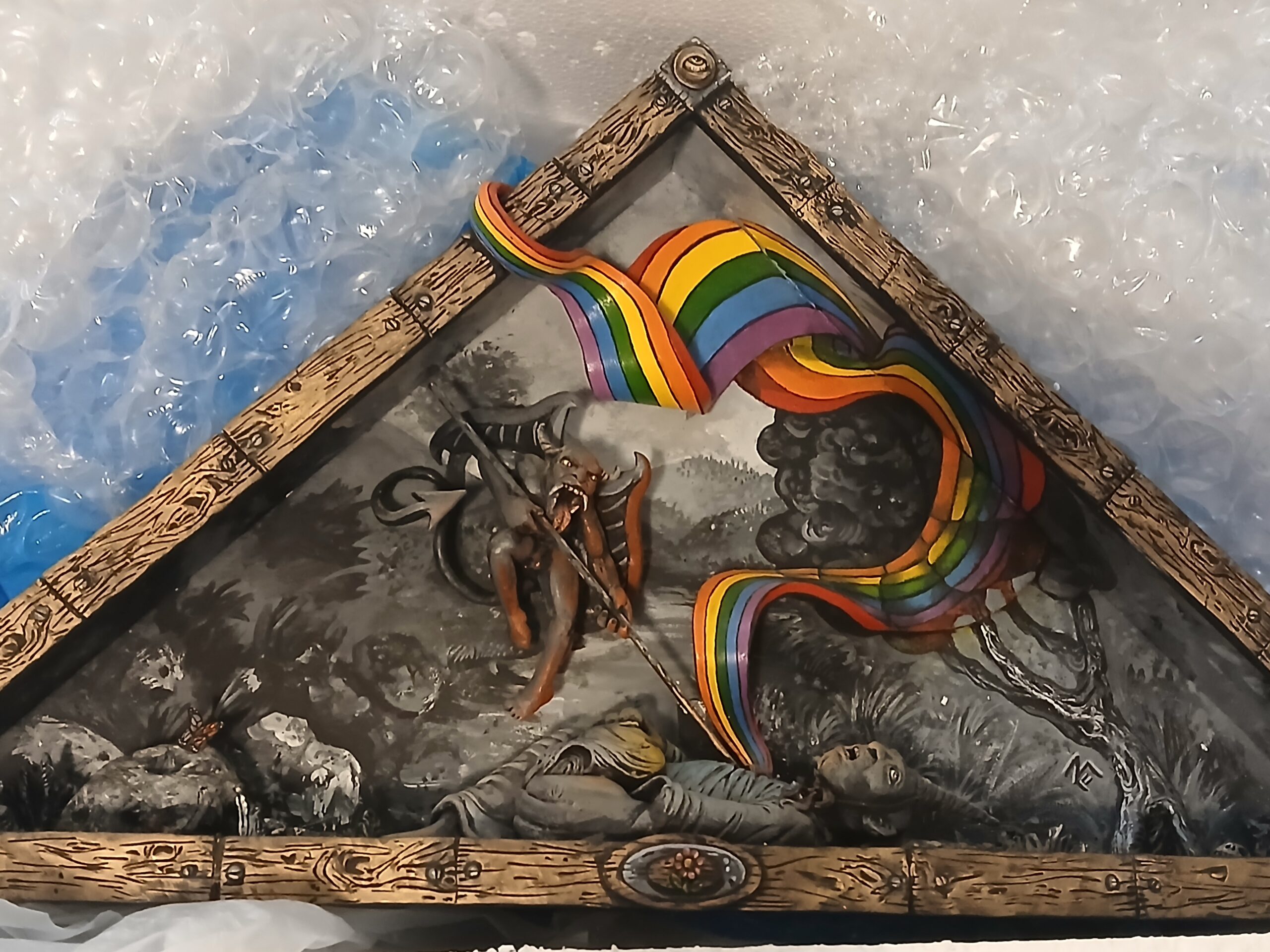
I had a piece of art by my old DTLA neighbor, Nathan Cartwright, brain and might behind The Hive gallery that I needed to pick up, a semi-fragile piece that really needed to be hand carried, not shipped, so I came up with a plan to make my next part of the day interesting. I found an all day spot in an open air parking lot down by the gallery on 7th and Spring, paying the attendant and hitting the streets for a nostalgic walk through the city. Remembering different stores that we loved to go to, Fallas Paradas, Big Lots, gone to time. Different signs, slightly different contents, the restaurants and markets still persist and soon enough I’m headed under the city, down to grab my all day Metro Card and onwards to the Expo line toward the history museum. Taking the subway/metro lines in cities is one of my favorite ways to see the neighborhoods and being in car centric Tucson, I’ve missed the little things like the advertising, the conversations, the sad display of public outcry that is listening to music outloud. The poor souls have not agency in their own lives, unable to control any real outcomes besides making those who forgot or choose not to wear soundproof headphones be like, oh, what’s this tune? I hoped off after about 15 minutes and was on my way towards the museum, just through Expo Park West, which features some giant ancient trees that look wildly out of place here in the city. Below, the piece I was picking up, a few of the panels needed repaired.
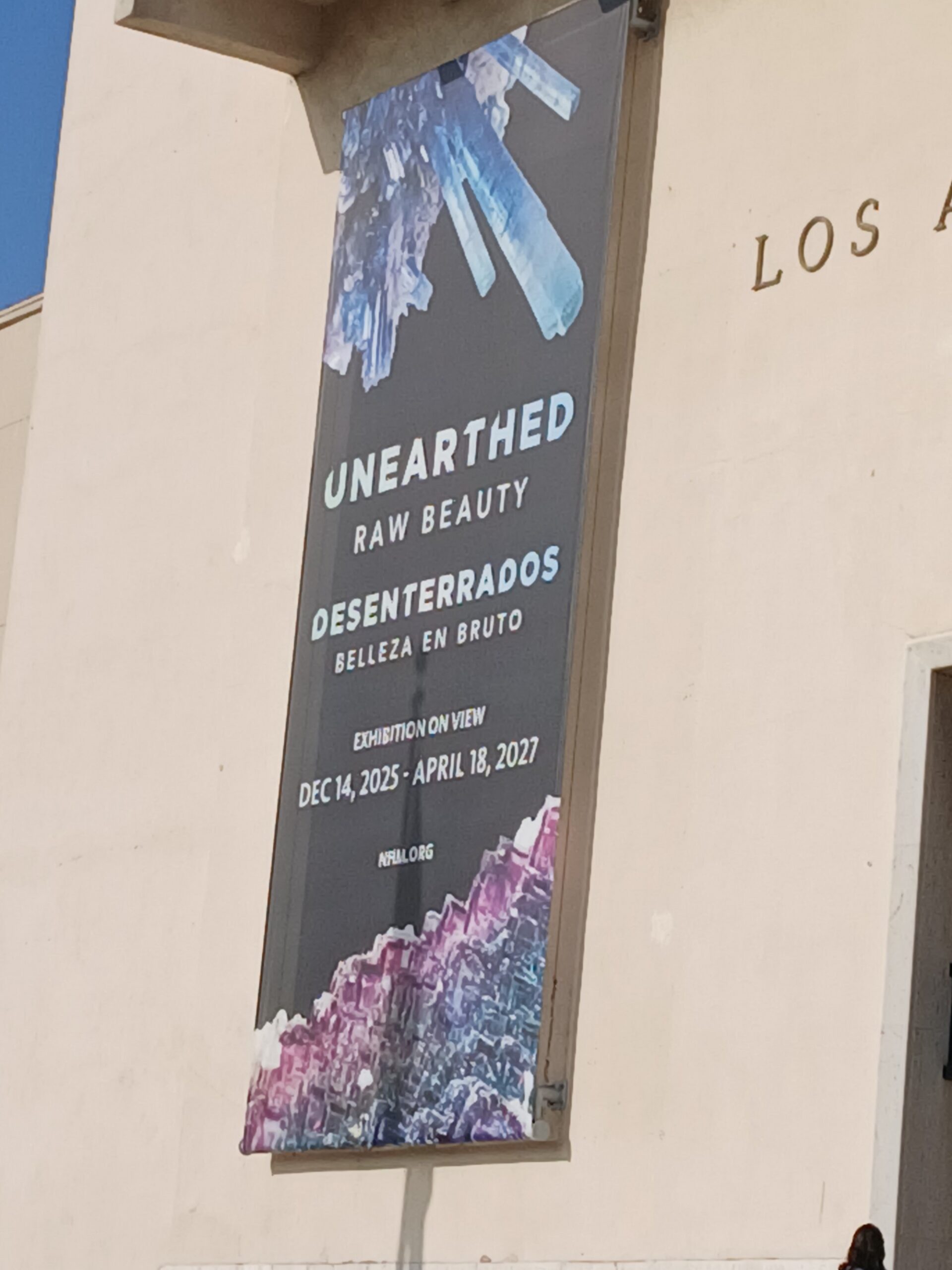
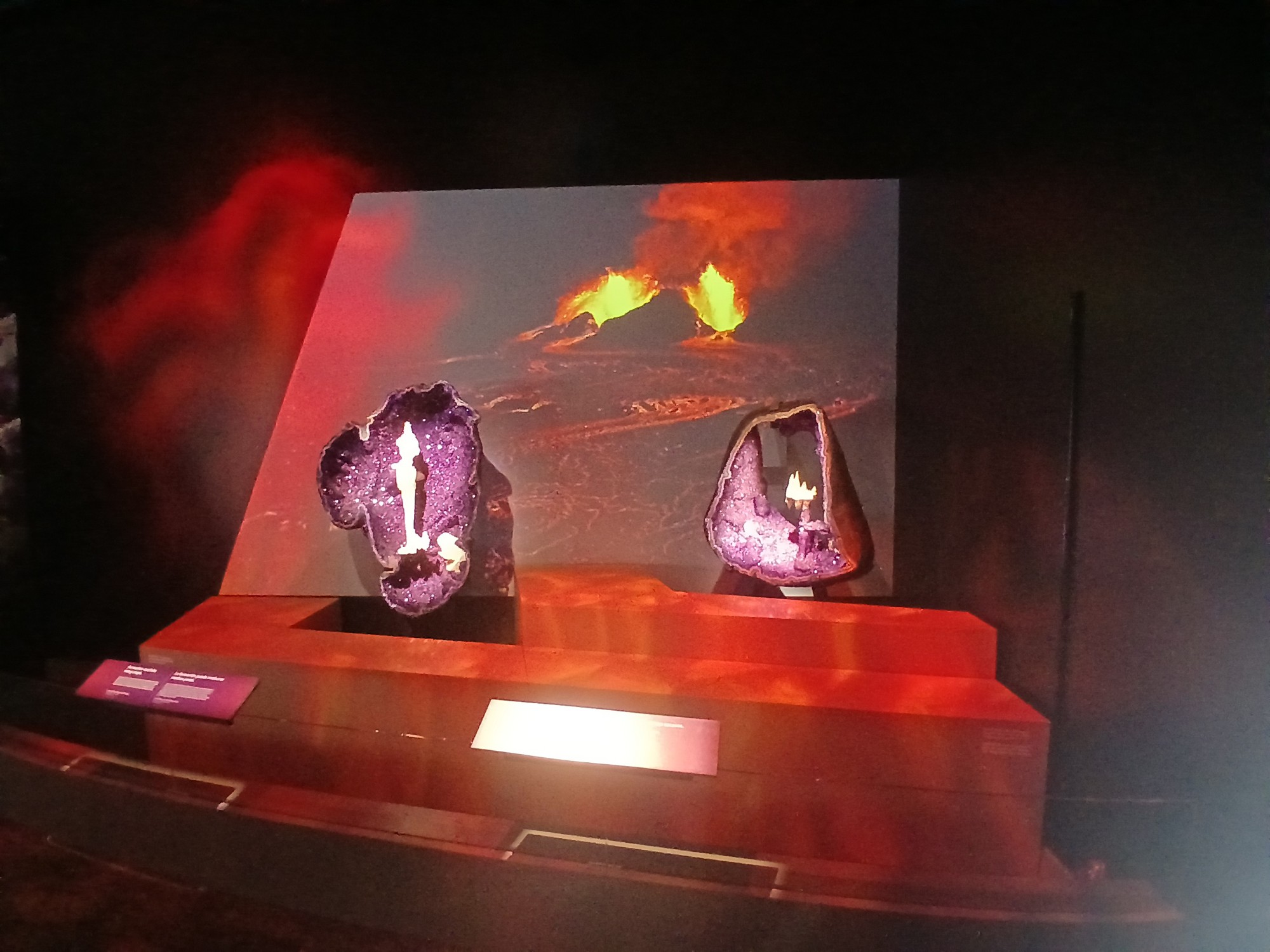
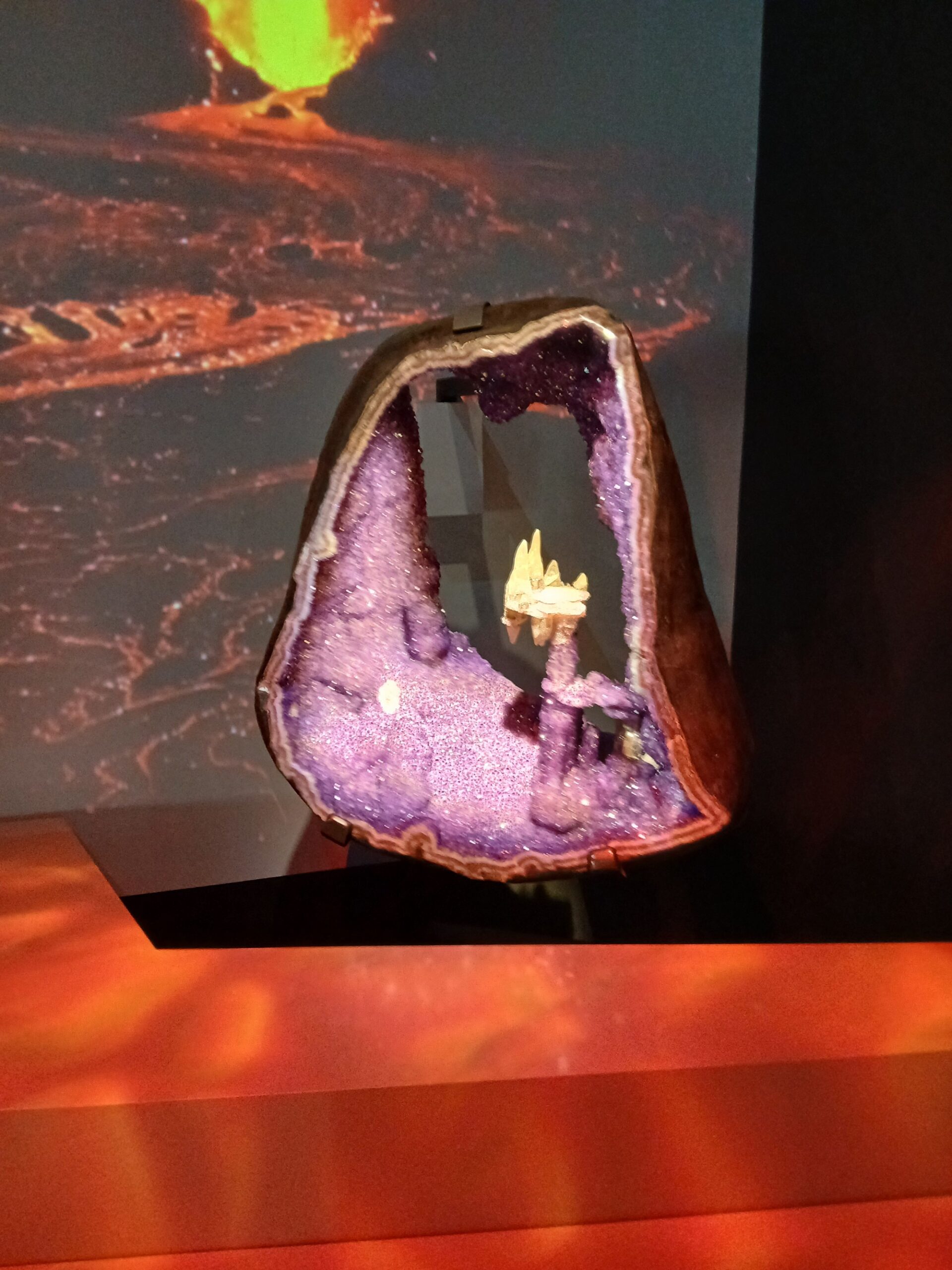
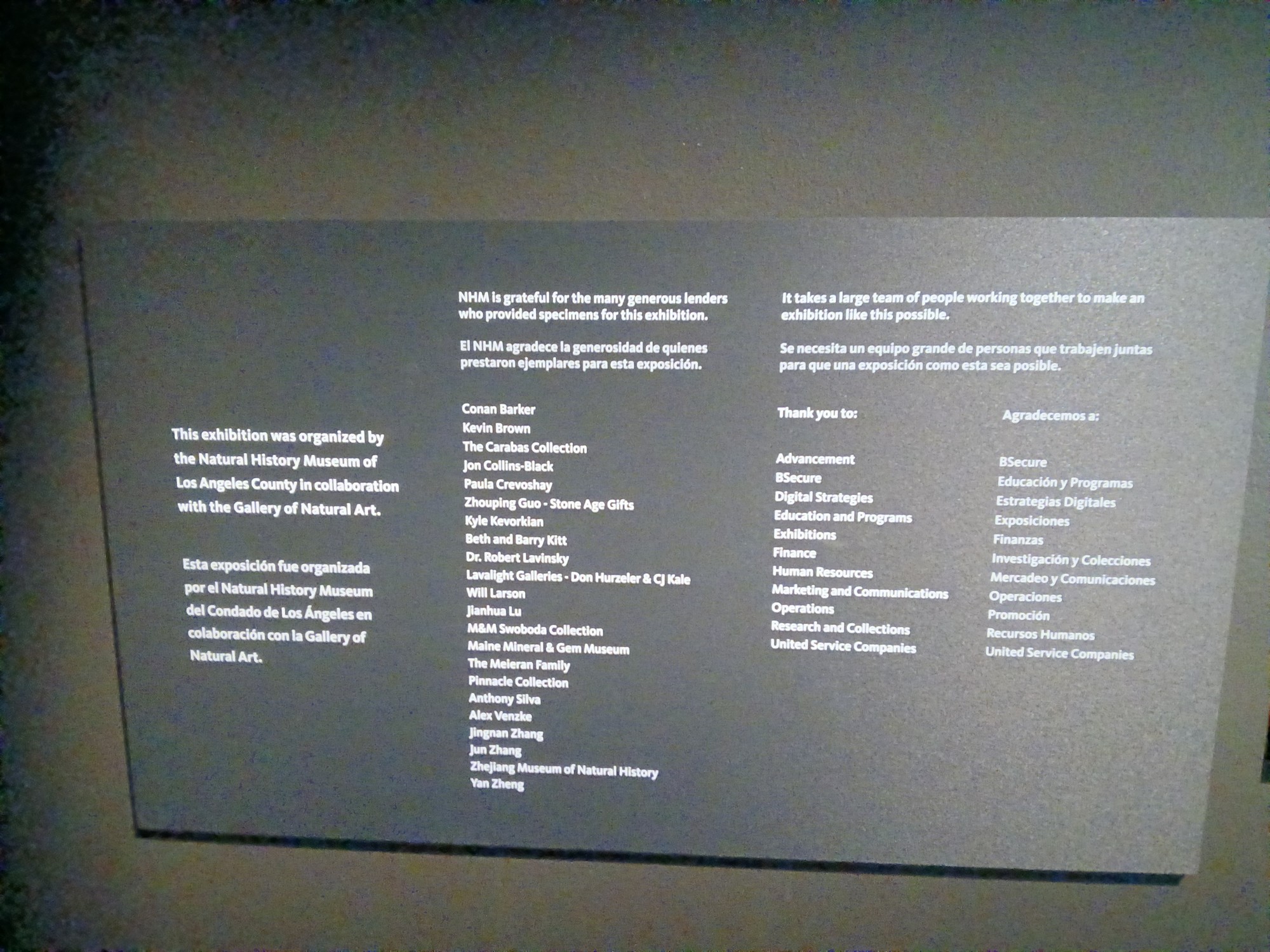
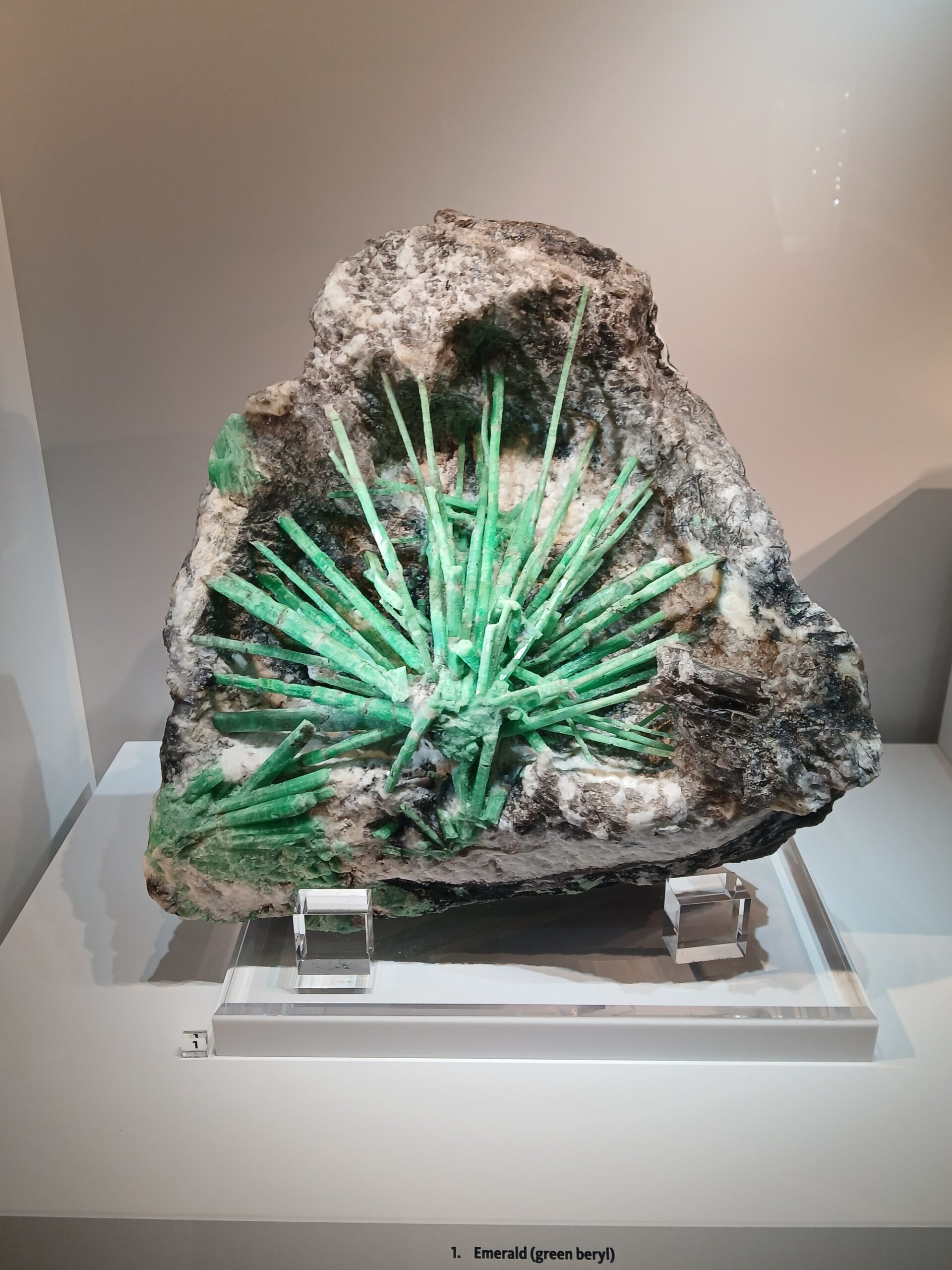
I consider myself a big fan of the Los Angeles Natural History Museum. The curator, Anthony Kampf, lead the mineral department for decades. He was a big part in the advances of mineral science and, sometimes even more importantly, the promotion of minerals and crystals as a product for the general public. I have been to dozens of the top museums with mineral collections and LANHM is in the upper part of the list – one of my favorite specimens of all time is the beautiful ring of Benitoite crystals, the state gemstone. It is a wildly nice circle of bright blue triangular crystals that just makes my heart hurt. You know a rock is good when it causes you physical pain upon sight. Back in the day I would often find myself being at the museum for an event, or brought in a side door. Those days are gone, so off to the ticket desk I went, ready to surrender to the price of the admission ticket. I dont want to admit to any perceived special treatment given, but I did magically get to go into the brand new, apparently, only open to museum members, exhibit, that day. What an amazing exhibit it is – a collaboration list is shown in the photos, and it is truly an impressive hall. For those who have no prior interest in minerals, these wildly large, colorful and interactive exhibits will captivate all who visit in some way. The classics are all covered, big Amethyst gas bubbles from the lava flows are exhibited and explained. Everybody loves that. There are crazy huge examples of things like this Chinese emerald specimen that is just so artistically carved out it just looks like a green explosion of electric fire. This video of a gem Ammolite specimen and the creature that inhabited it, millions of years ago has impressed everyone I’ve shown it to in the past few weeks. I bet they need to clean the prints off that glass often. It is mesmerizing and I’m sure it catches everyone’s attention for a couple spins of the video. It is sticky. Nice work done here. Check out the photos below – And follow this link to the Book about the Exhibit and the companion Coloring Book!
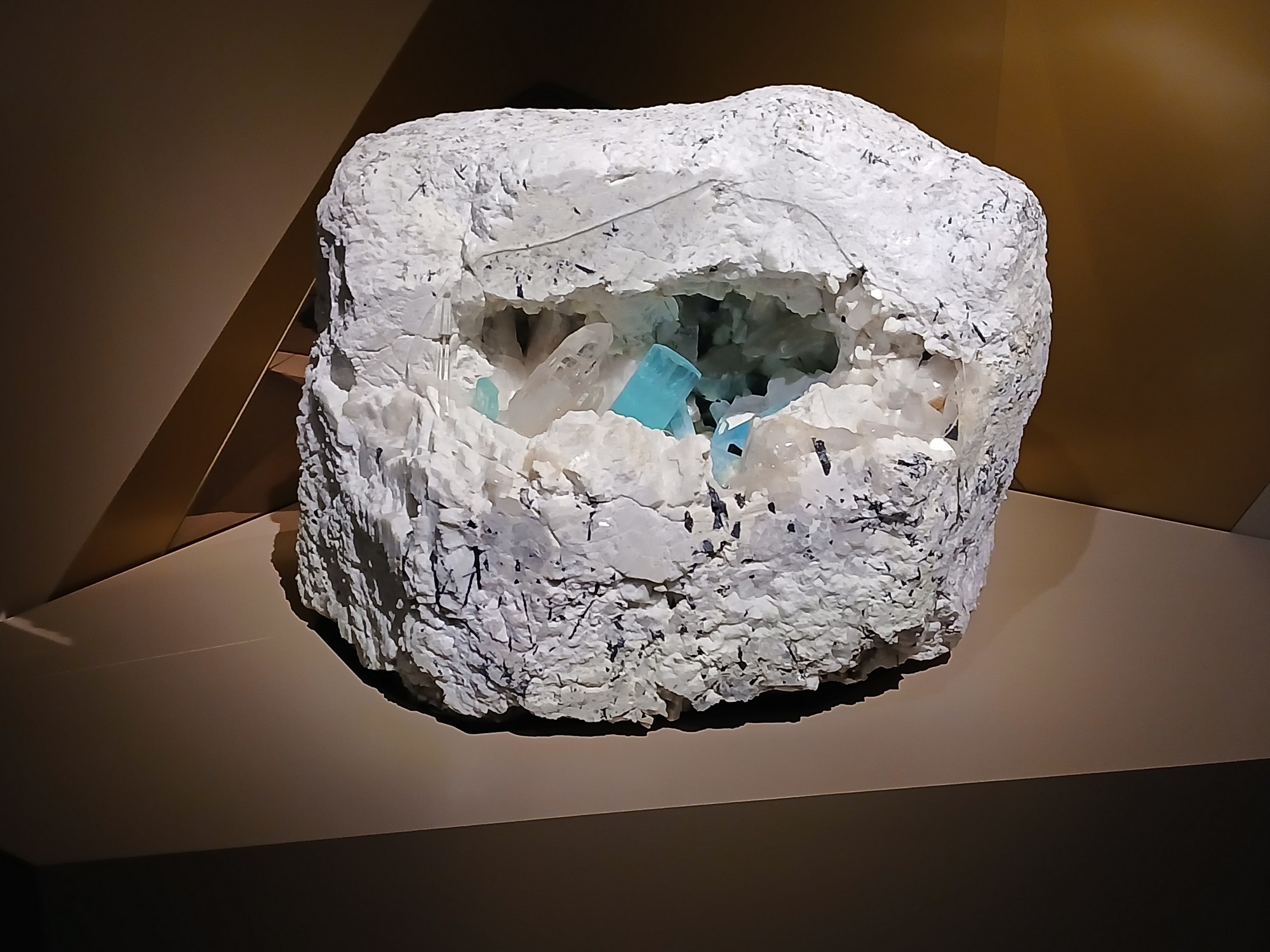
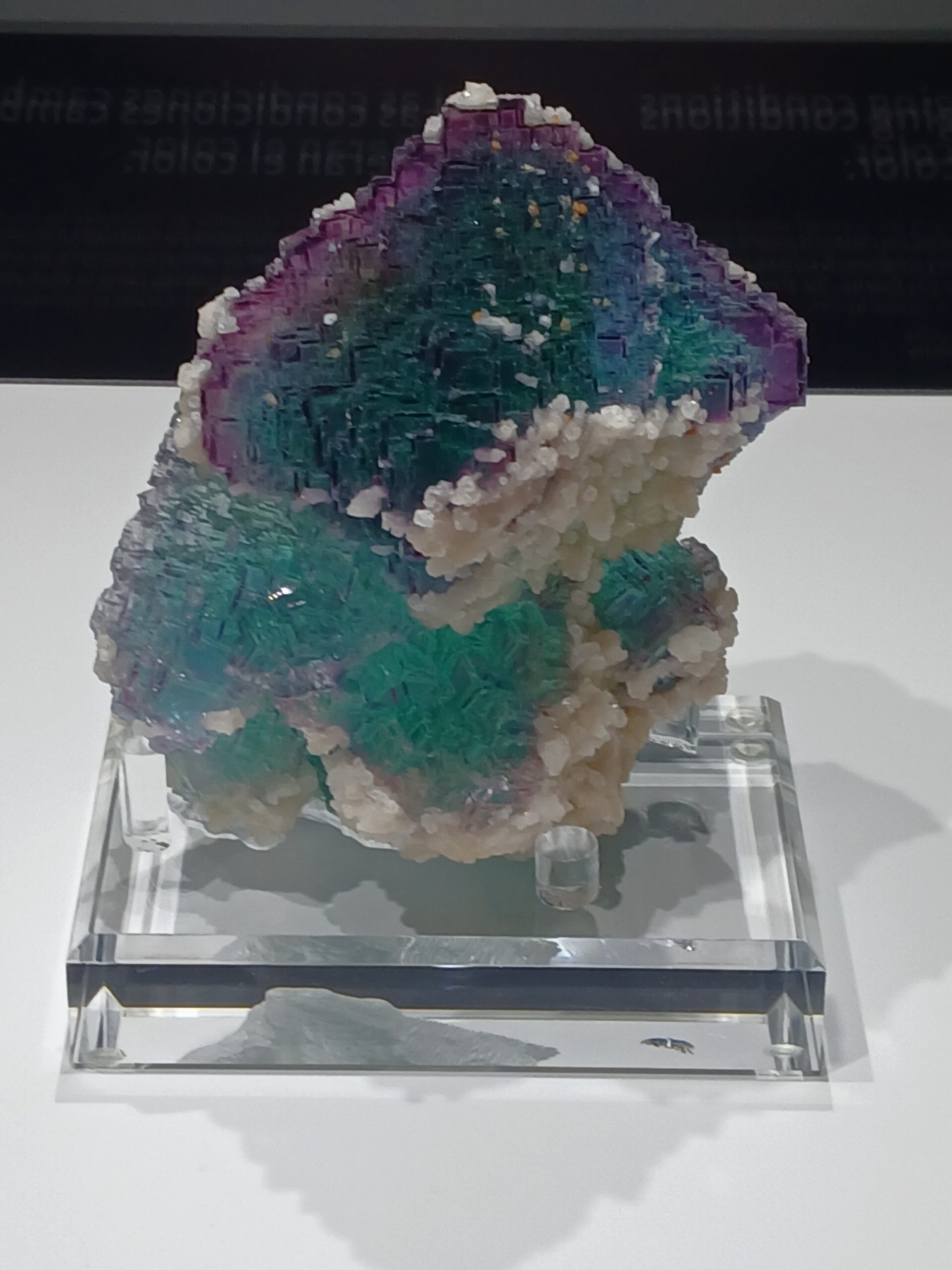
The exhibit takes about 30 minutes if you go slowly, which is a considerable time for a single exhibit (minus ones with films), and there are a bunch of amazing specimens ones would want to really enjoy for moments and revisit to enjoy again. I mean, look at that freaking unit of Fluorite from China, looking like the item from which the orcs draw their power from. That GIANT crystal mass of Gold, that thing is like, i dont know, like, I have seen some very cool objects at seemingly random places in the world that later on go to become newsworthy and perhaps, becoming a full on historical footprint. Well that gold just might be one of those objects.
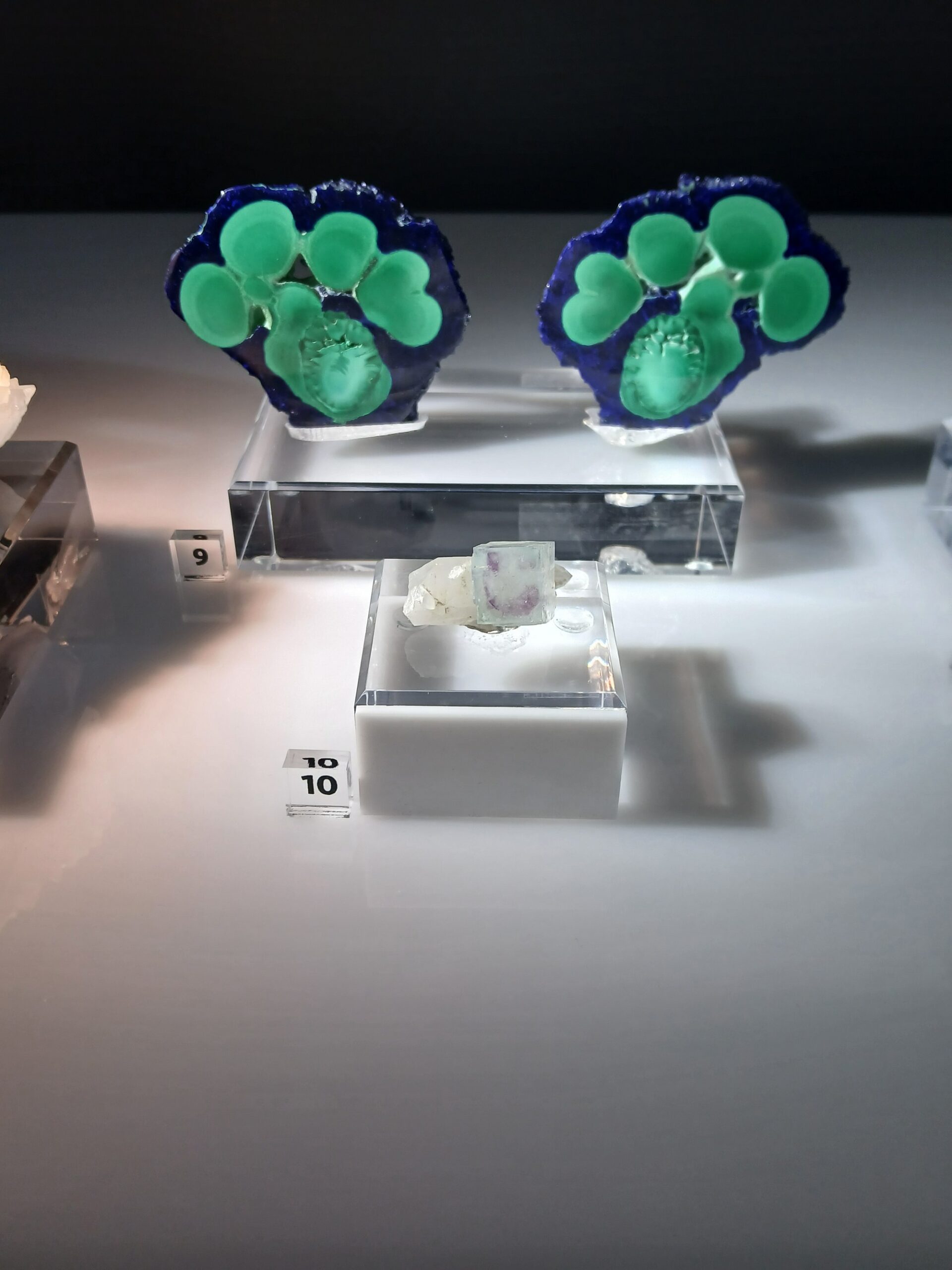
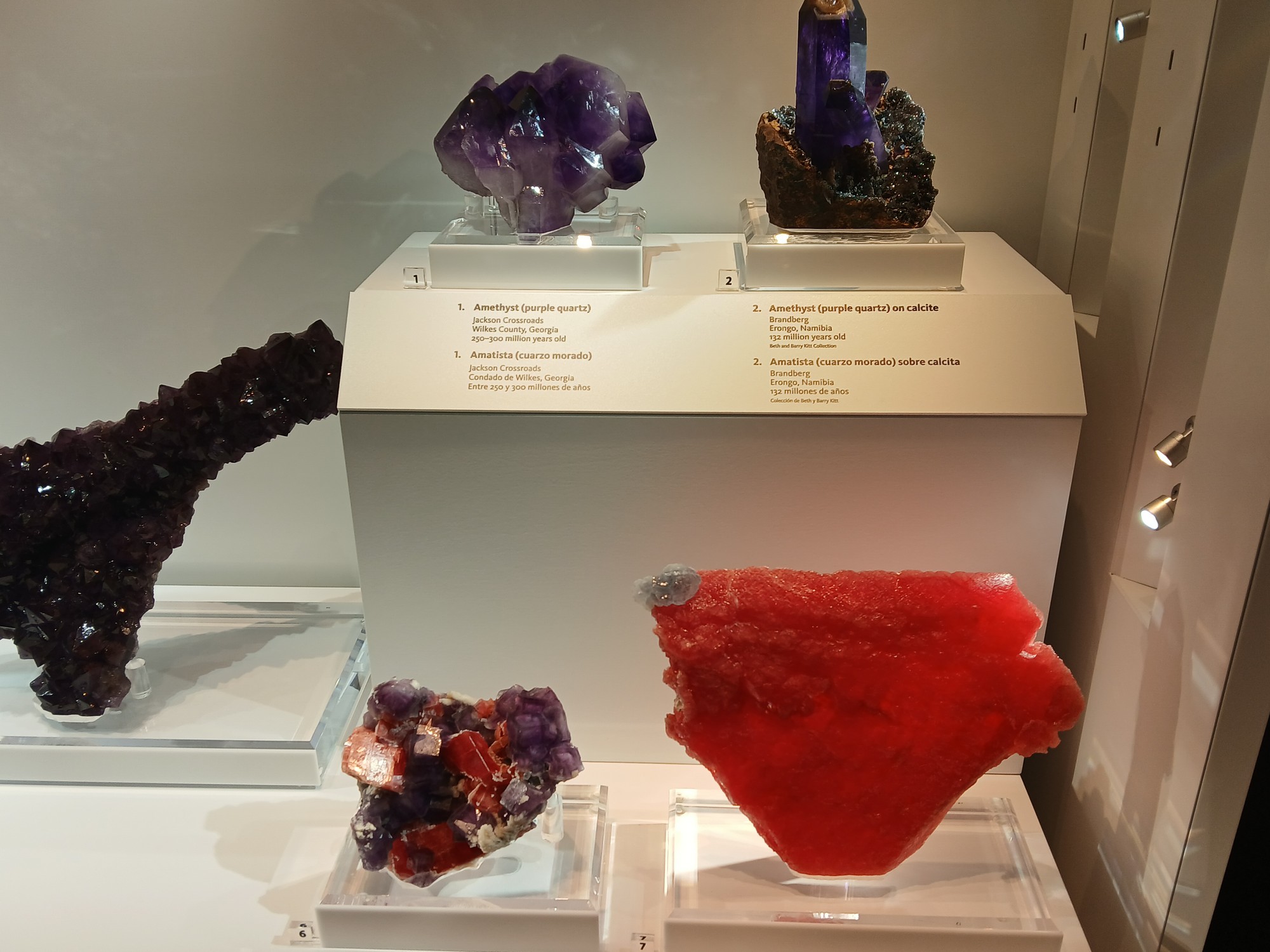
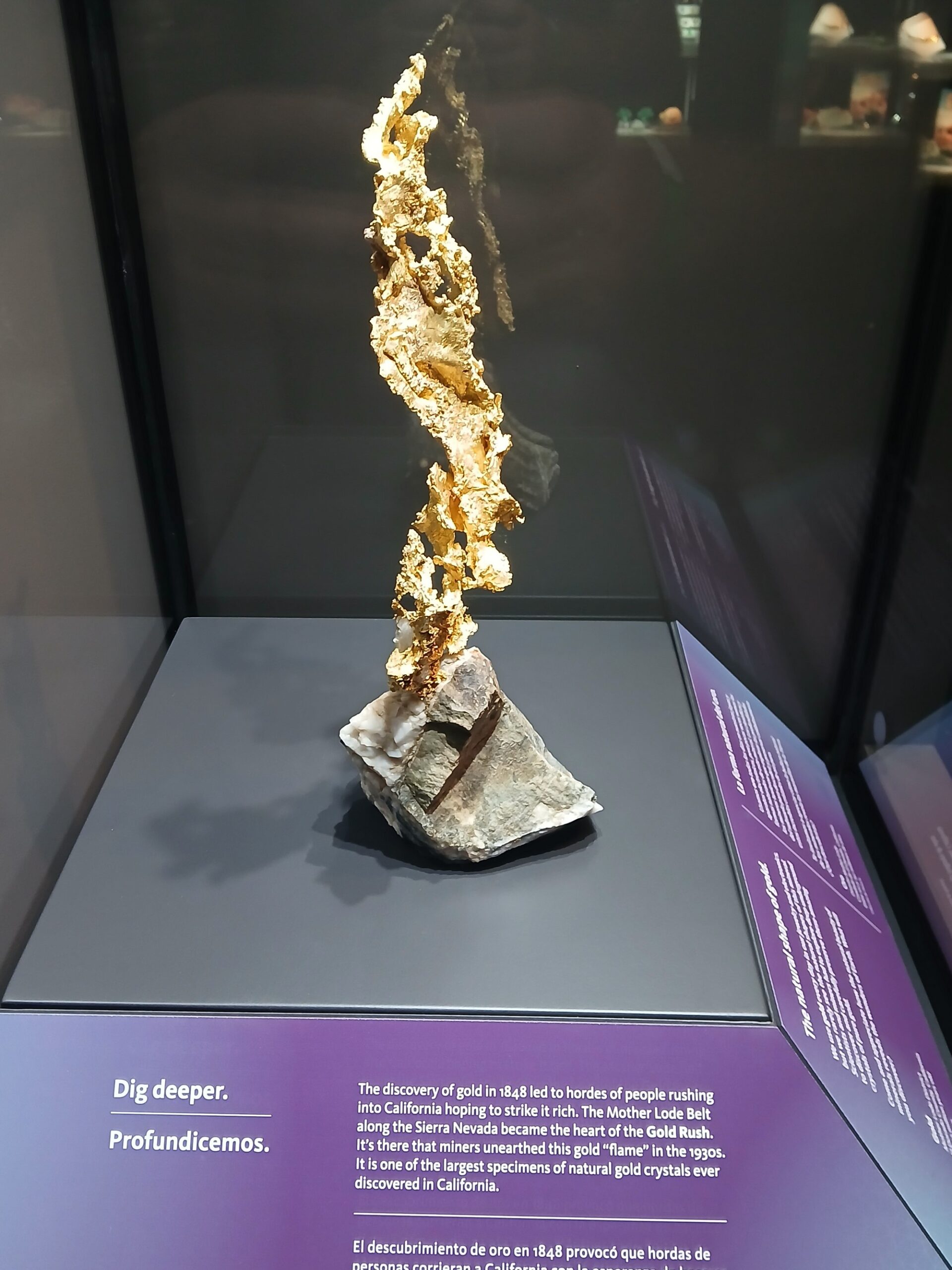
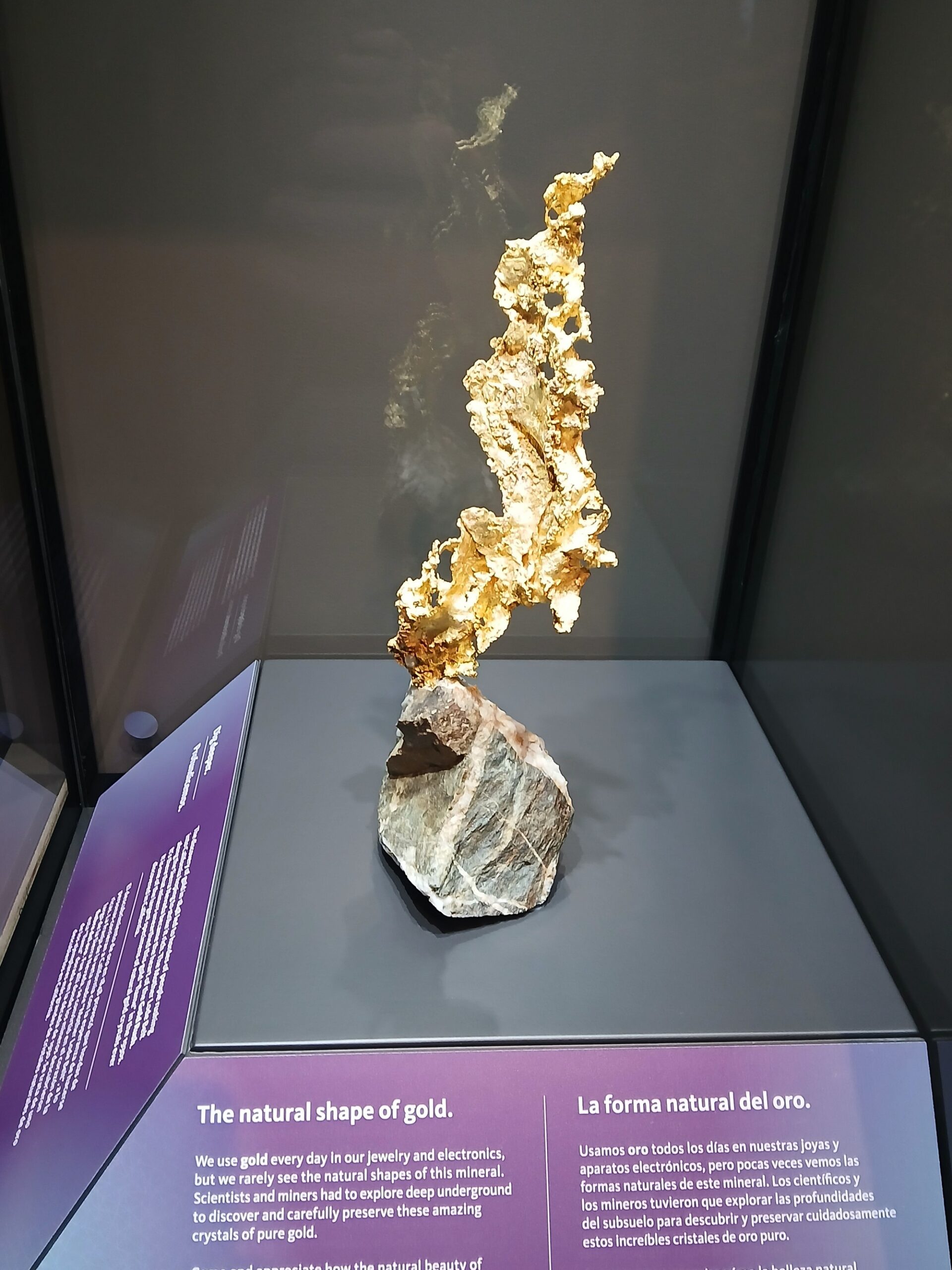
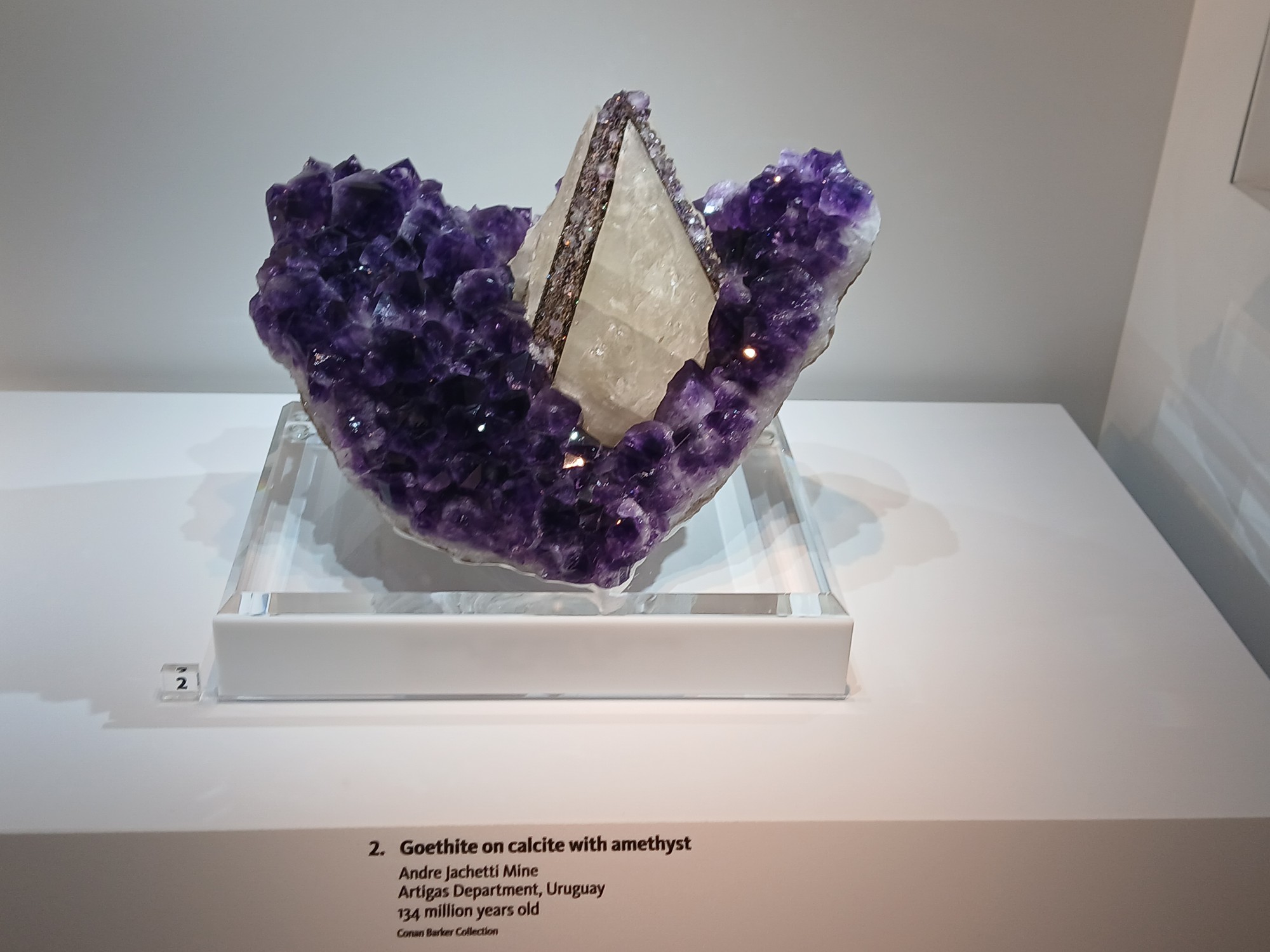
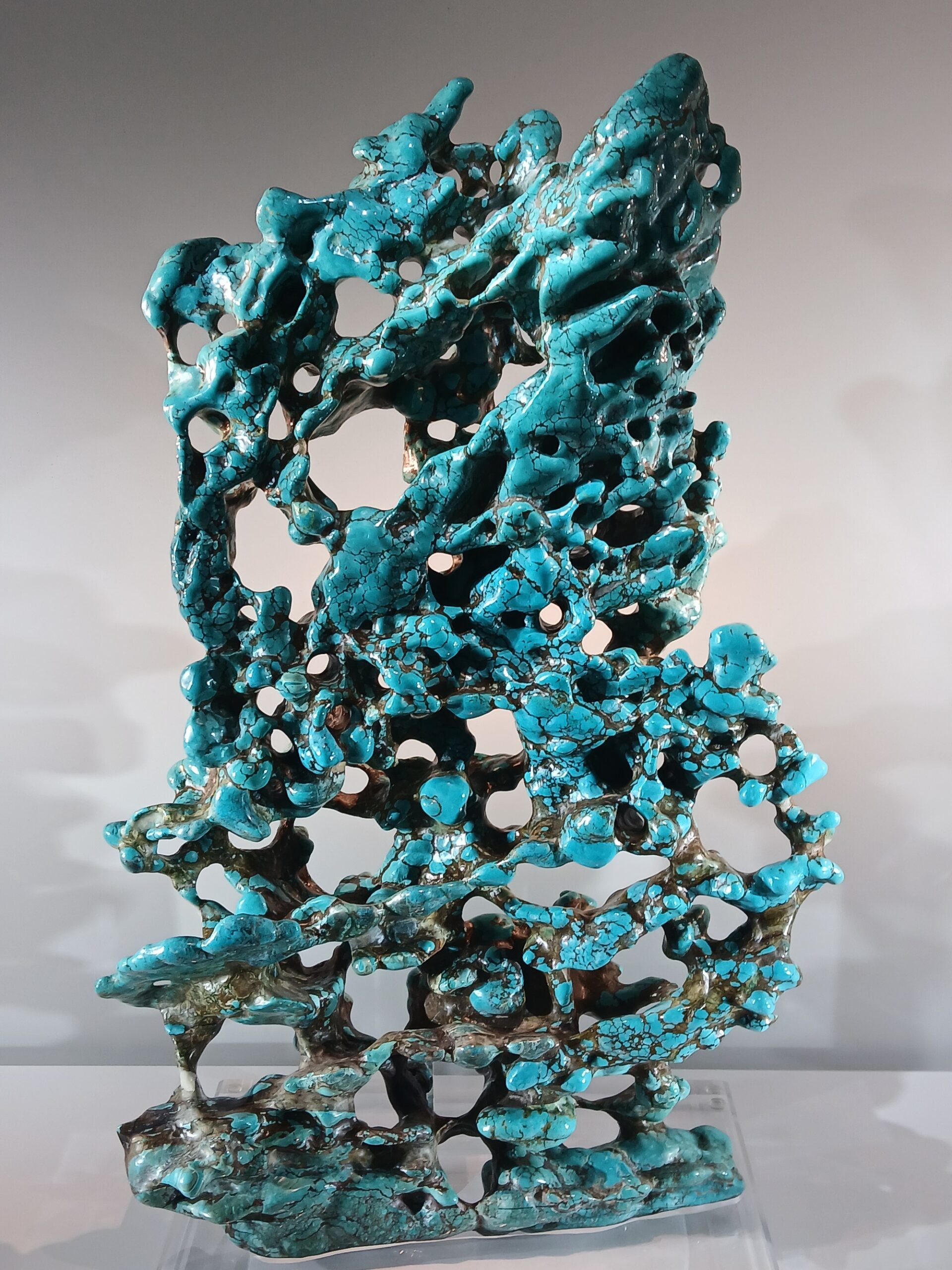
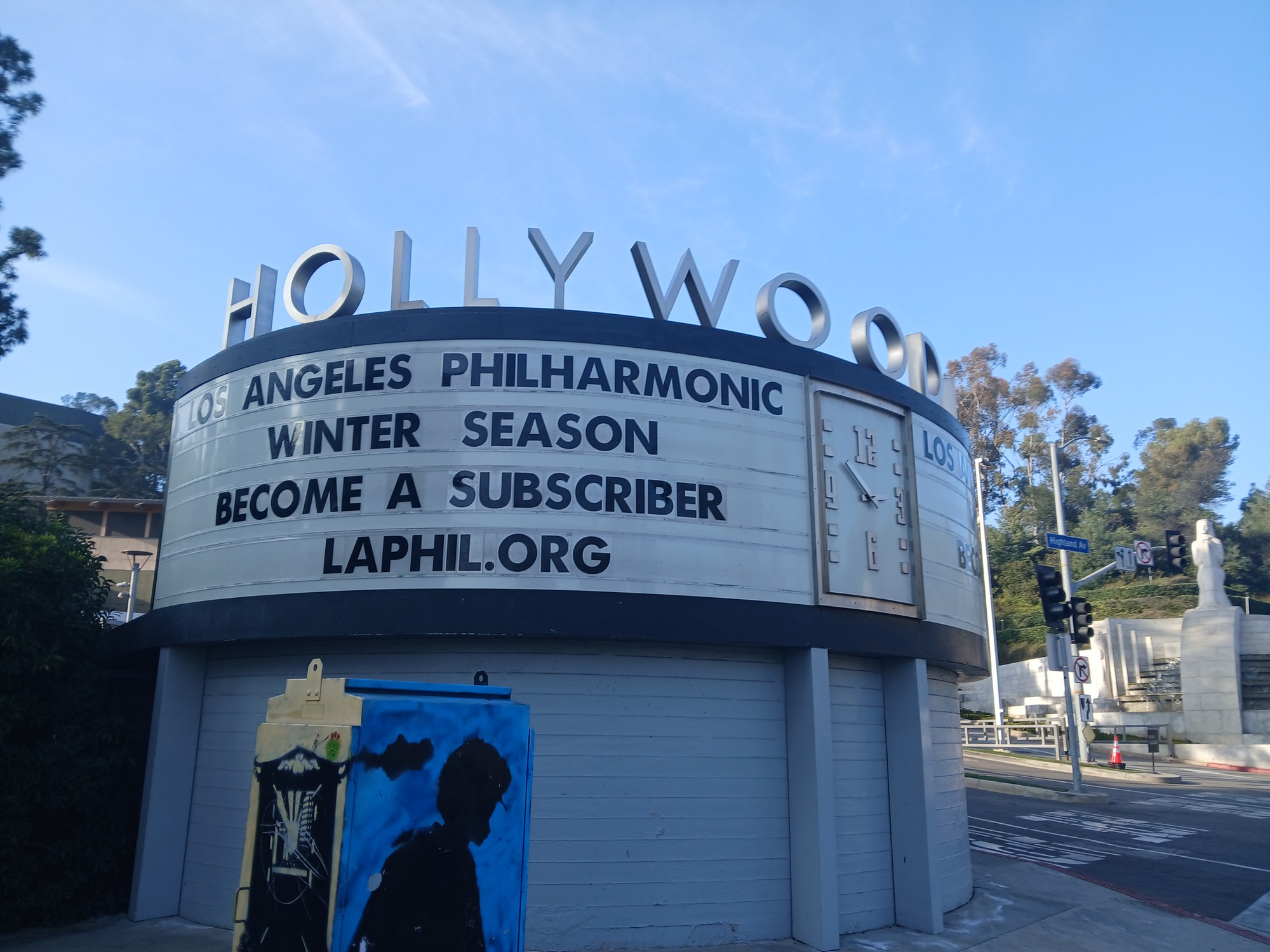
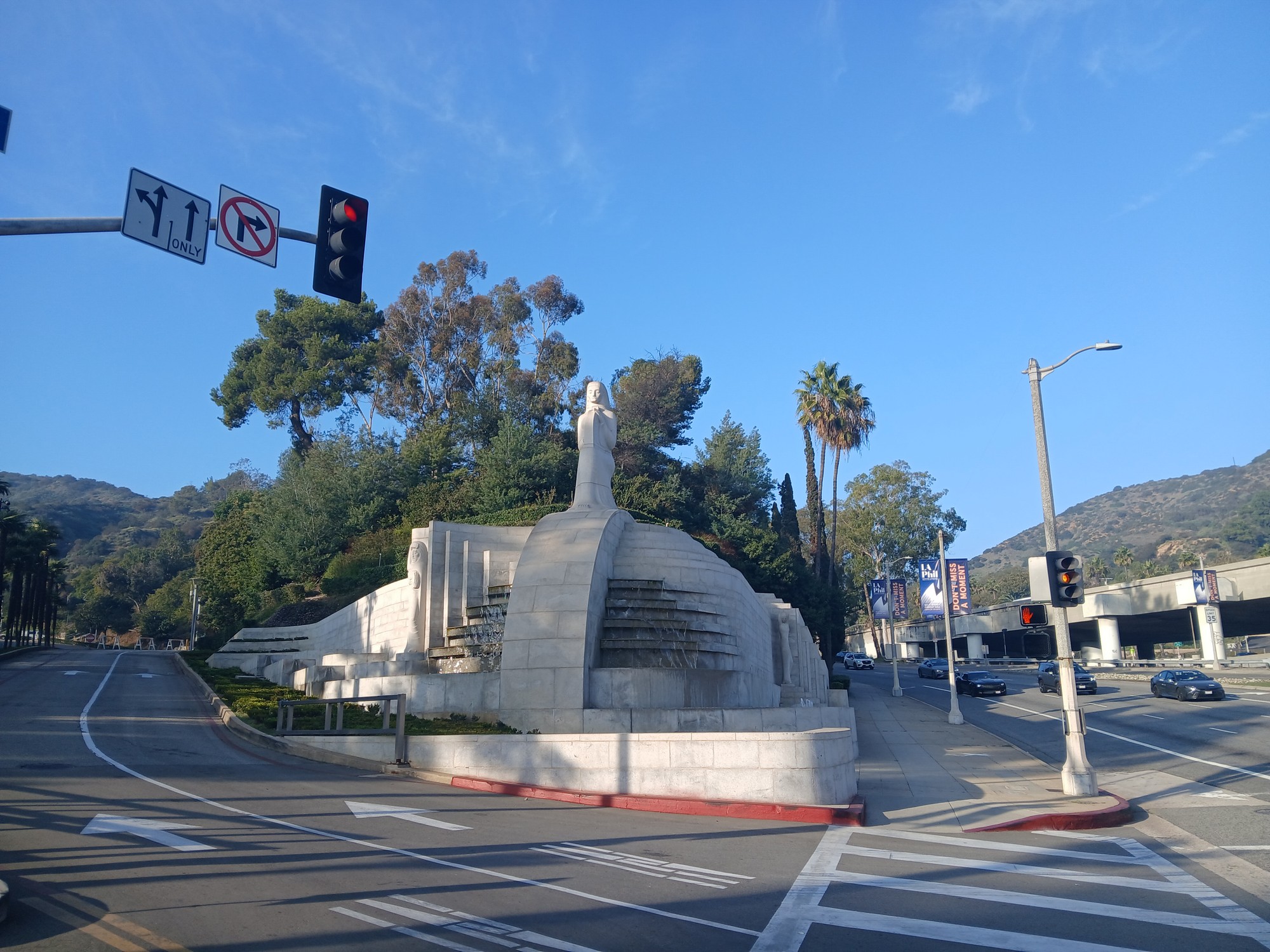
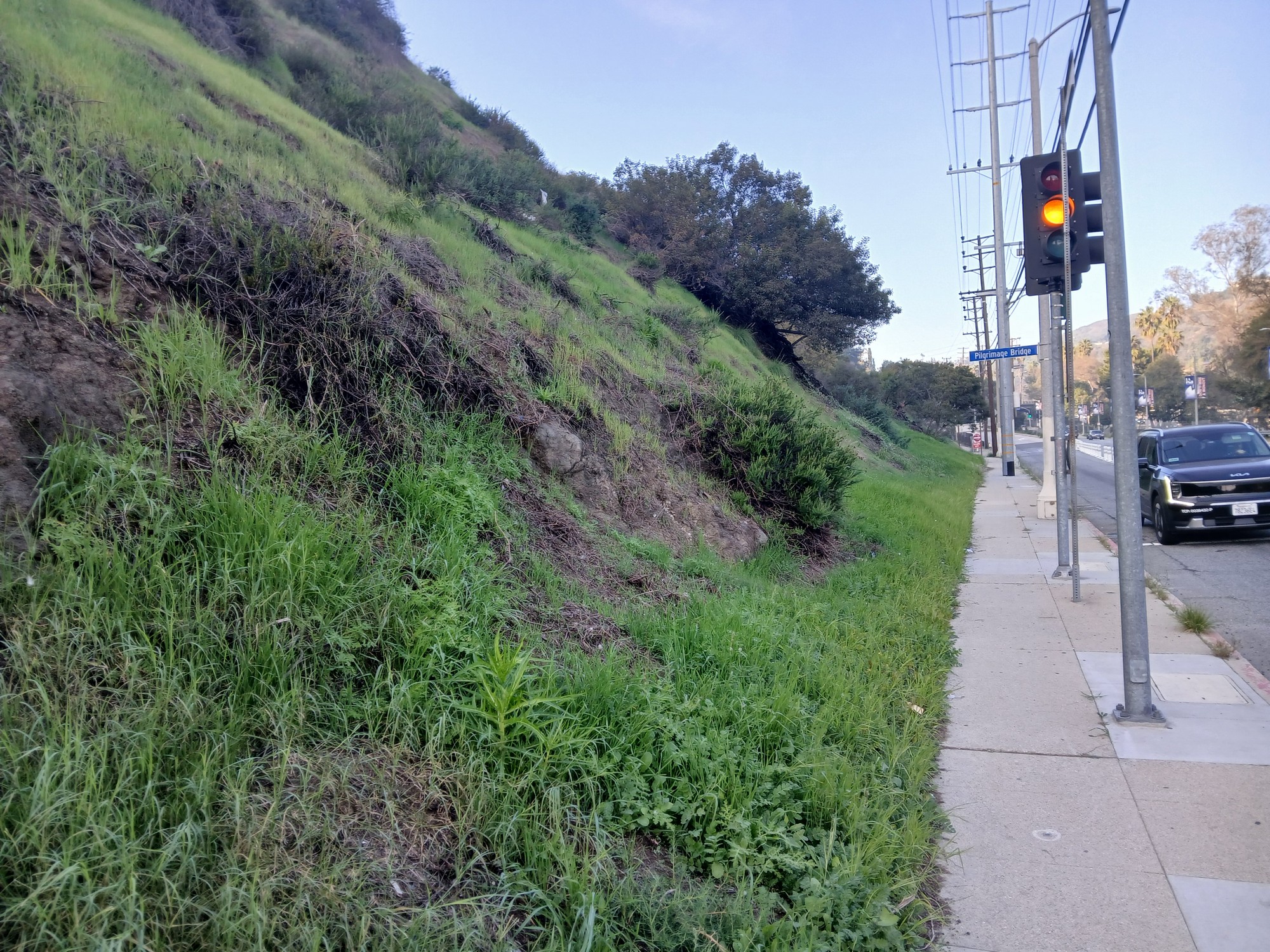
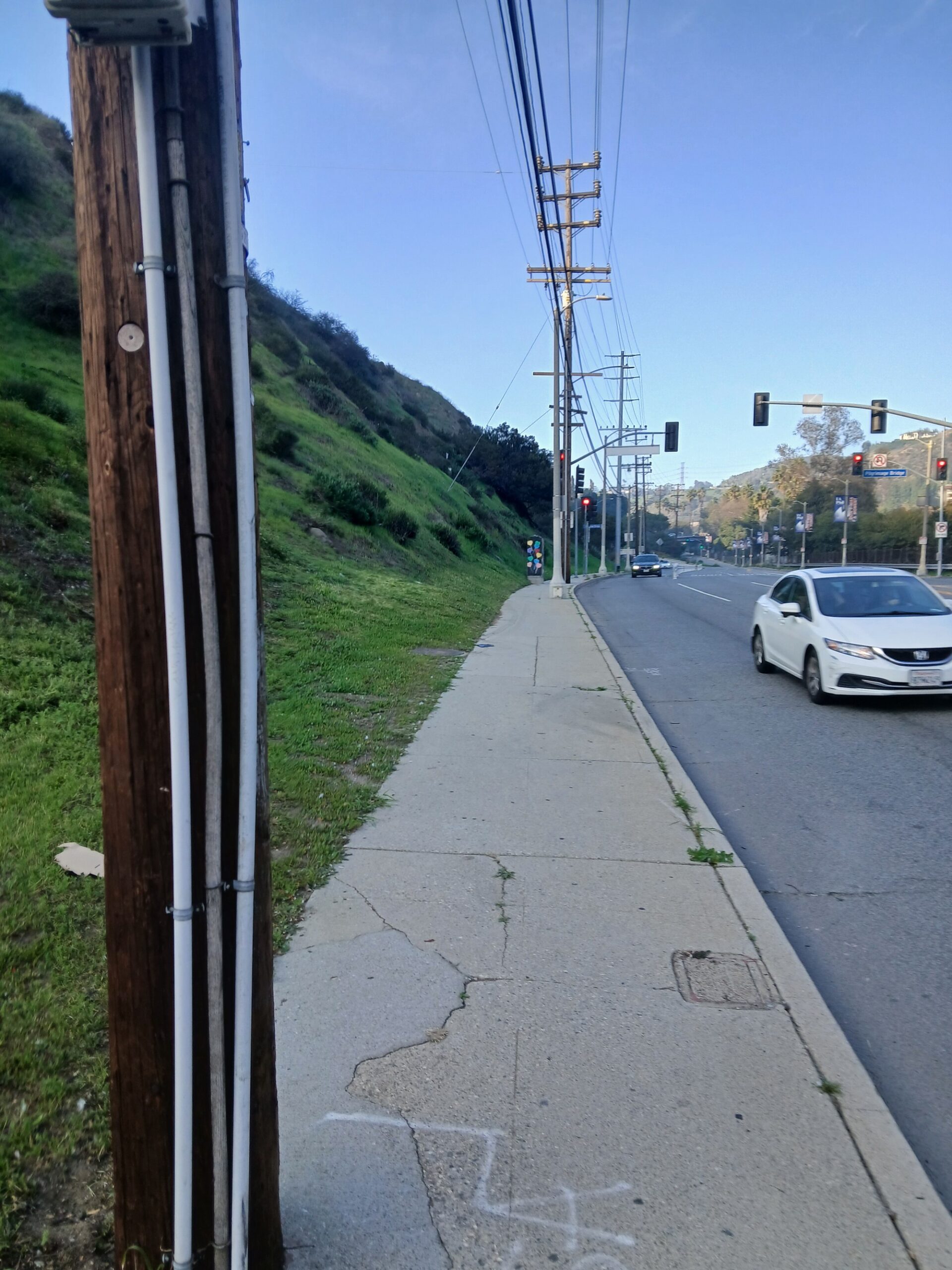
I spent another hour enjoying the mineral collection and photographing the Gem Vault, which features some VERY impressive, large, quality examples of all the core gemstone and significant examples of uncommon and rare stones, like things you can cut, but maybe should not, or extremely rare gems. Then, I hunted down my favorite fossil at the museum, Harlen’s Ground Sloth, a skulking behemoth of slothness found in the sticky depth of the tar pits of La Brea. A grabbed a selfie with my bestie and off I went to catch the train back up to connect with the red line to north hollywood. This line has stops up thoughout hollywood and I wanted to go to an old favorite, the prehnite veins of the hollywood bowl area. Another life ago, when I used to spend my days perusing knowledge and monetizing that, I got really into the mineral deposits found in the Hollywood hills. Long before anyone lived in the area, various commodities were being obtained from the hills, first, the calcite used for lime for farming. The basalt from the ancient lava fields create great building ballast and were used for early neighborhood construction. Random deposits of copper, gold, sulfides, mica schists, pegmatites and a bunch of silicates and zeolites pop up all over the hills and I thought it would be book worthy. Unfortunately, I think it would be a 500 copies sold kind of book and my departure from the area to my new home in the California desert took me away from this area and those dreams, so, off I went to this strange little spot to revisit those days of urban exploring. Just around the area of the Hollywood Bowl, the basalt boulders contain some classic volcanic gas crystallization including Prehnite and Laumantite. The Laumantite area I have never physically seen, but seams of prehnite kind of bubble up all around and one with super easy access is along the sidewalk north of the Bowl. I have a friend who like Prehnite, so I figured I would get her a Prehnite from Hollywood on this beautifully overcast Saturday in December. The walk was a little farther than I remember, the rocks were a bit more overgrown than I remember, but I found a couple spots where I could pry a few chunks of crystallized veins out of the crumbly basalt. Afterward I made my way back down to Hollywood and Highland, enjoying the giant movie advertisements I dont see at home, not that I would want to, just the taste, the dip in the pool of hypertainment ad world that is the LA landscape. The area by the metro station is full of street scammers, preachers, protesters and masked characters ready to pose for photos. The Black Hebrew Israelites are always a fun time to listen to. What a wild world we live in. For these denizens, this is their everyday. I’m glad to pop back on the metro, debating the desire to make a pitstop to the Zankou Chicken on Sunset, the good one, but a few blocks away from the metro stop, or just get to the gallery and grab my art, well, I copped out, checked out the latest exhibit at the hive while retrieving our art and hitting the road back to Huntington Beach, for another exciting round of Live Sales of Gems and Cabochons on the Gemolicious live sale, before heading back home to the warehouse in Tucson, back to that day to day grind, nostalgic for those days of freedom to explore the world of Southern California.